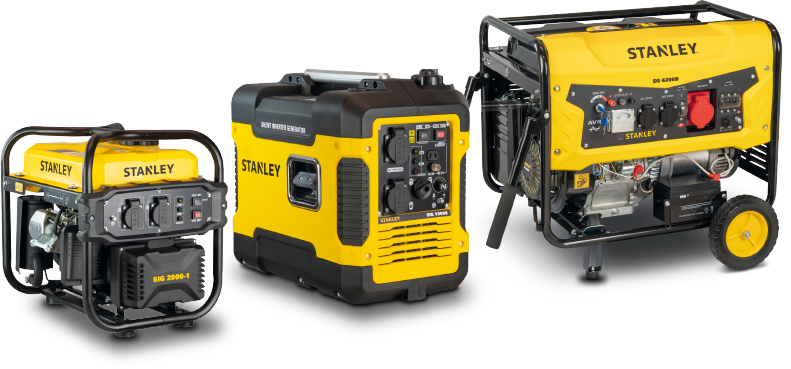
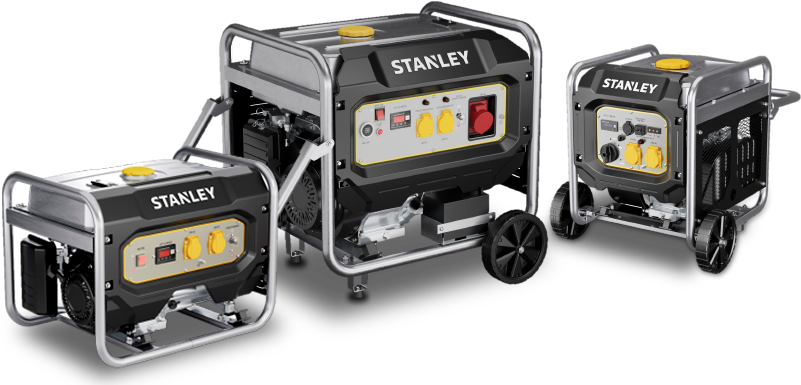
Before choosing a generator, you should be clear about how much power you need, what appliances you'll be connecting, and how long they need to run continuously. From there, you can decide whether you need a generator with a stable current for sensitive equipment, such as computers or electronic devices, or one more suited to tools and machinery. Within these needs, the Stanley range offers well-balanced solutions for home, garden, and semi-professional use, while the Stanley Fatmax range is designed for more intensive and demanding jobs. This guide will help you navigate the process step by step and understand the details you should consider before choosing one generator over another.
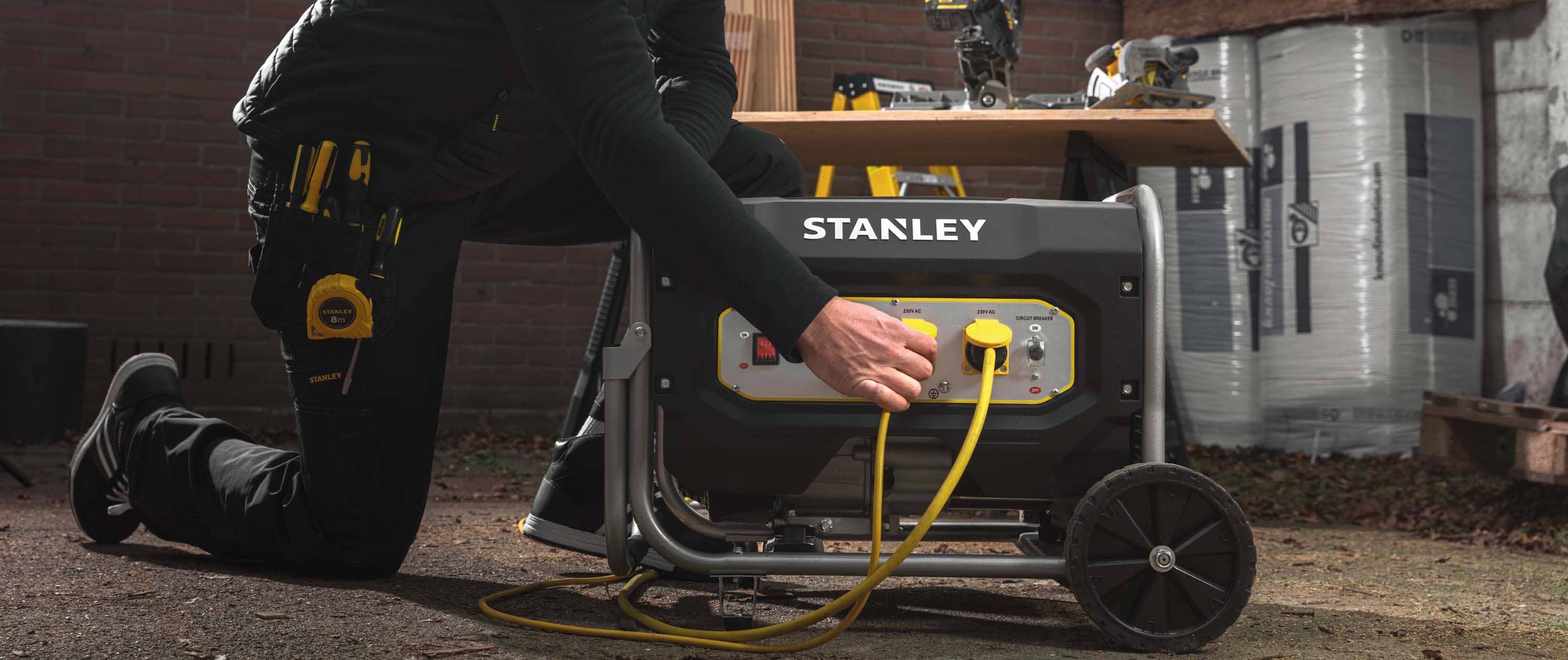
Before choosing a generator, you need to know what power output you require. Make a list of the machines and appliances you want to connect (tools, pumps, lighting systems, household appliances, chargers, etc.) and add up the power ratings of those that could operate simultaneously. Keep in mind that many motor-driven devices (compressors, pressure washers, saws, pumps) require more power when starting than they normally consume. Therefore, it's recommended to choose a generator with a power output greater than the sum of the nominal power rating plus the starting peak of the device that needs the most power, also allowing a safety margin so the generator isn't always operating at its maximum capacity.
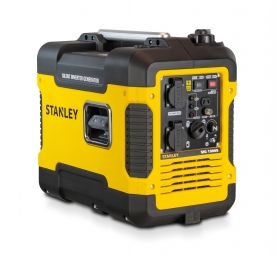
Powering a drill is not the same as powering a laptop or a sound system. If you're going to connect sensitive electronic devices, such as computers, televisions, routers, chargers, or equipment with control electronics, a generator with inverter technology is highly recommended. This technology transforms the current produced by the engine into a very stable alternating current with precise frequency and voltage, minimizing fluctuations and protecting electronic components. This type of generator is ideal for camping, caravans, garden use, or as a home backup when convenience and quieter operation are desired. Furthermore, they are typically quieter and more compact, making them ideal for camping, caravans, garden use, or as a home backup when convenience and quieter operation are key.
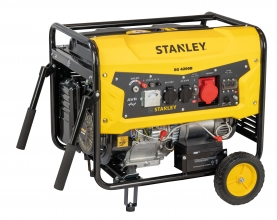
However, if the primary use will be for power tools, construction equipment, water pumps, compressors, mixers, or work lights, a conventional generator equipped with an automatic voltage regulator (AVR) is usually sufficient. The AVR maintains the voltage within a stable range, ensuring safer operation of tools and motors and reducing voltage dips and spikes. These generators typically offer more usable power and larger fuel tanks at a lower price than an inverter of the same power output.
A simple way to decide is to clearly separate "electronics" from "power" uses. If you prioritize portable devices, televisions, chargers, and equipment with electronic circuit boards, an inverter generator is best. If, on the other hand, you're going to use tools like angle grinders, drills, saws, pumps, or compressors, a generator with an AVR will give you the robustness and power you need without paying extra for electronics you might not use. If you're going to combine both types of use, you have two options: choose an inverter with some power margin to cover both electronics and light tools, or opt for a more powerful AVR for the machines and reserve the sensitive electronics for specific times, avoiding connecting them when you're using tools that generate high power spikes.
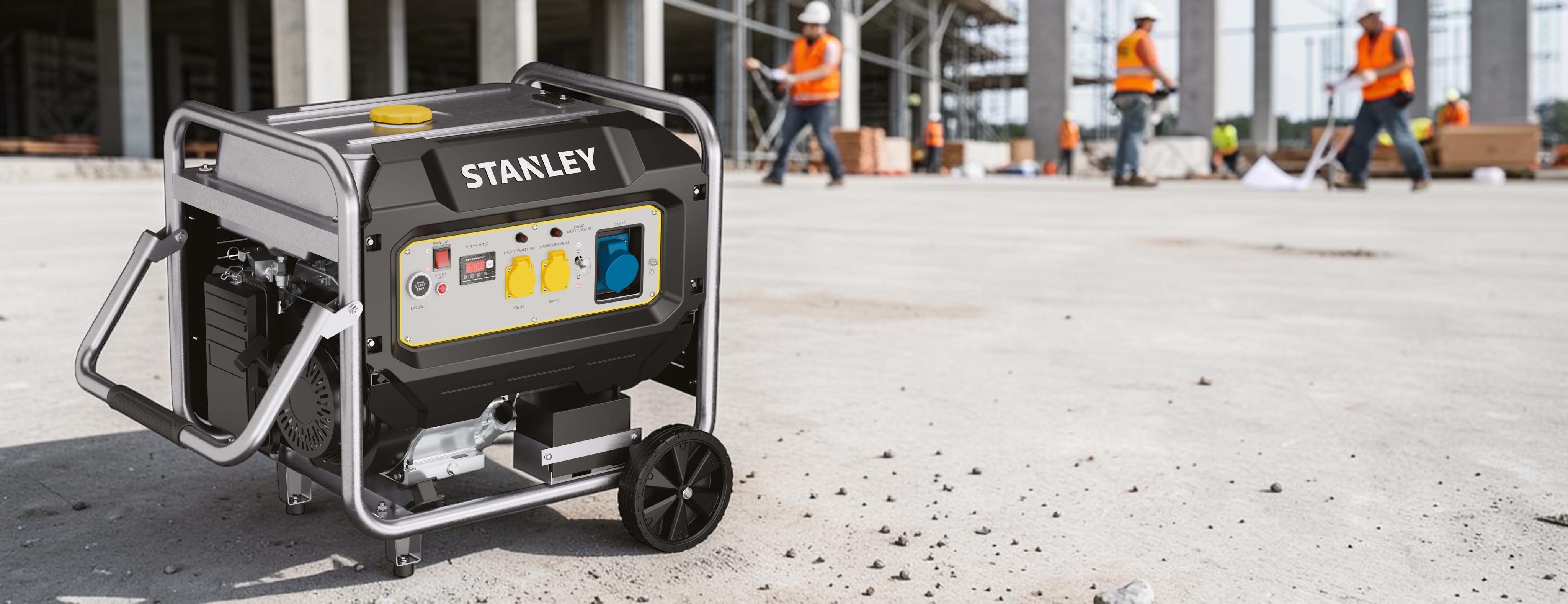
Think about where and how you'll use the generator on a daily basis. If you'll be moving it around frequently (for example, loading it into a van, taking it to small construction sites, or using it in gardens, farms, or campsites), a more compact and lightweight unit with a comfortable handle and, ideally, wheels will be more suitable. On the other hand, if you'll be keeping it in the same place most of the time (workshop, warehouse, permanent construction site, or country house) and using it for many consecutive hours, a more robust machine with a reinforced chassis, large wheels, extendable handles, and larger fuel tanks, designed for intensive use, will be more appropriate.
Before buying, check what type of voltage and plugs your machines use. If all your equipment operates at 230V, you'll most likely need a single-phase generator, which is the standard for household appliances and most portable tools. If you have 400V three-phase machines (industrial motors, large compressors, certain mixers, or workshop machinery), then you'll need a generator with a three-phase output, which will usually also have single-phase outlets. It's not advisable to buy a three-phase generator "just in case": it's better to match it to the actual loads you'll be using.
Run time indicates how many hours the generator can operate on a full tank, typically at a medium load. The larger the tank and the more efficient the engine, the longer it can run without refueling. If you need the generator for home emergencies, events, extended construction projects, or to keep a business running during a power outage, it's important that it can run for several hours continuously. If its use will be short and occasional (quick jobs, sporadic starts), you might prioritize a smaller, more manageable unit, even if it has a smaller fuel capacity.
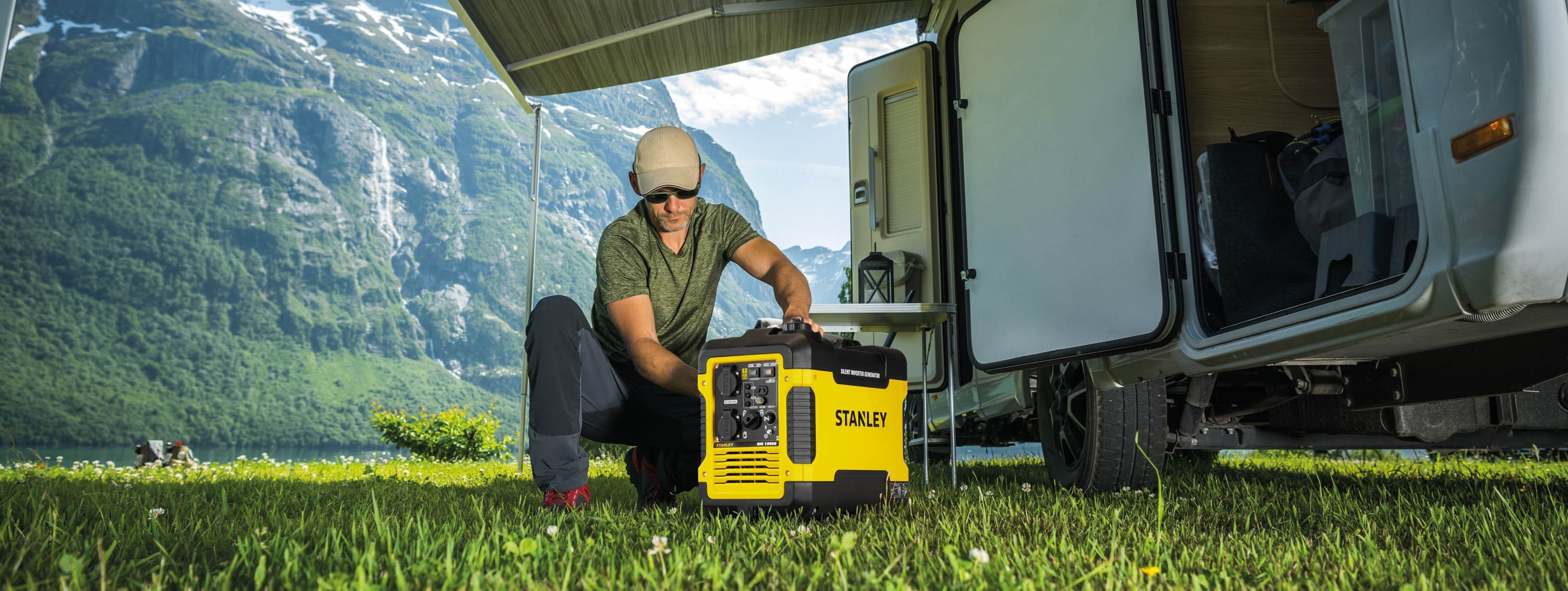
Noise is a key factor depending on the environment in which the generator will be used. If you're going to use it in campsites, gardens with neighbors, patios, or for work near homes, it's best if the equipment is as quiet as possible, so you should opt for a model with inverter technology and good sound insulation. In outdoor construction sites, agricultural operations, or industrial areas, noise is usually less critical, and power and robustness can be prioritized. In any case, it's worth comparing the approximate noise level indicated by the manufacturer and choosing based on the actual working environment.
A good generator should be easy to start, simple to operate, and well protected. For medium and high power outputs, it's recommended that, in addition to the manual starter, it has an electric start with a key or push button, so as not to always rely on physical effort and to facilitate starting from cold or after a period of inactivity. The control panel should be clear, with well-identified switches and overload protection. If it includes indicators for voltage, frequency, and operating hours, even better, for basic monitoring of usage.
In terms of safety, it's almost essential that the generator includes low-oil protection to prevent serious engine damage if the level drops, as well as overload and short-circuit protection devices at the outlets. It's also helpful if the housing effectively protects the internal components from impacts and dirt, and if access to the oil, air filter, and spark plug is easy for maintenance. In addition, responsible use is crucial: using appropriate cables, ensuring the plugs are in good condition, and, if connecting to a fixed electrical system, always following the manufacturer's recommendations and those of a qualified professional. A good generator not only provides power but also protects itself and the connected equipment.
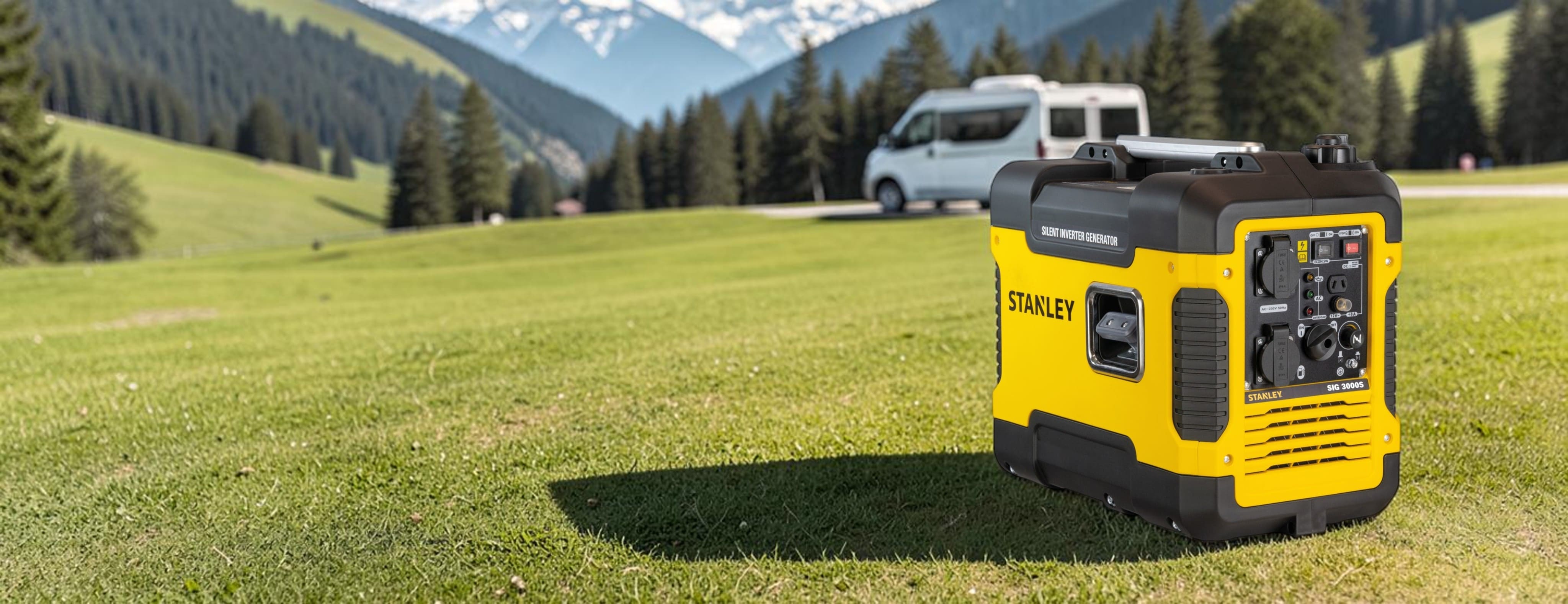
If you're only going to use the generator to plug machines and tools directly into its outlets, it only needs to have the necessary outputs (230V, 12V, etc.). However, if you want to use it to supplement the electrical system of a home or business, it's essential to install a suitable switching system to prevent the generator's current from mixing with the mains power. For more advanced backup systems, there are automatic transfer switches that can start the generator when the mains power fails, provided the model is compatible and the installation is carried out by a professional.
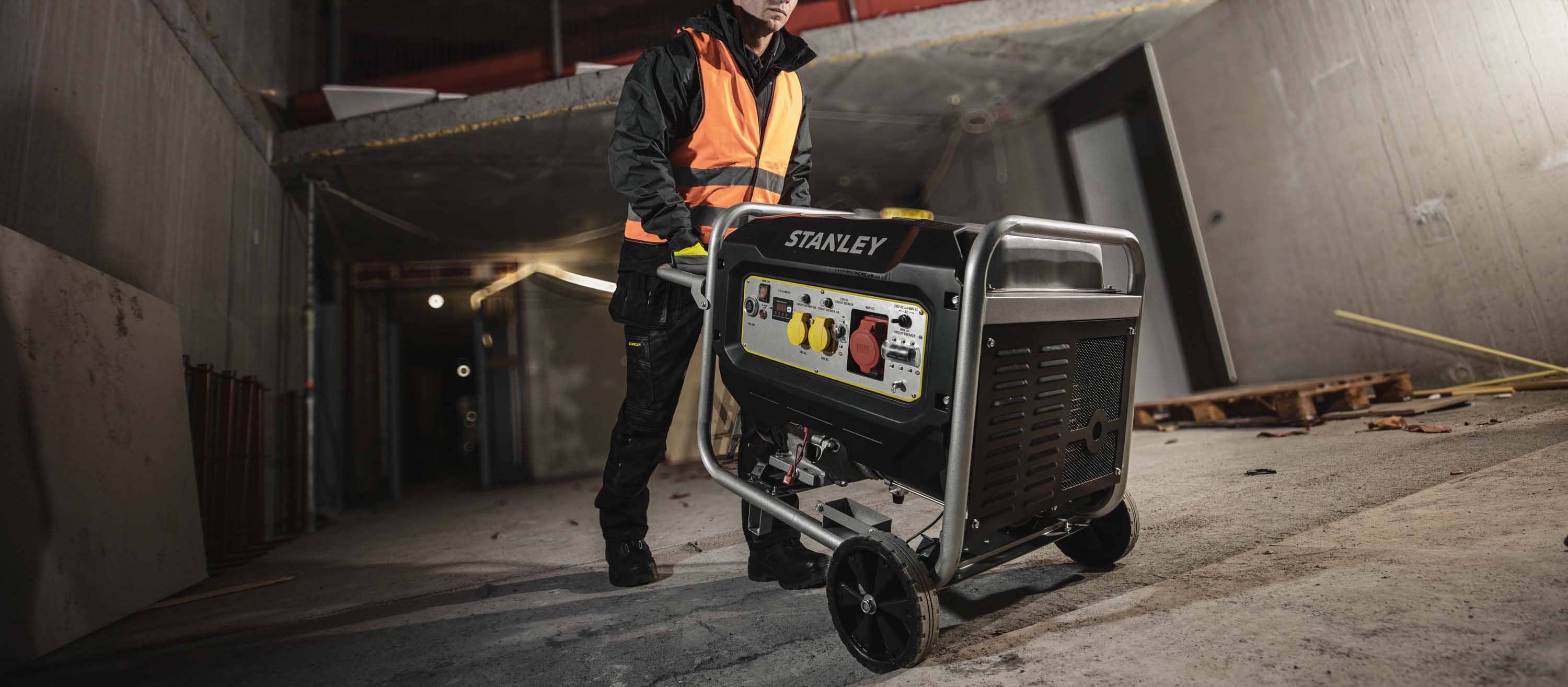
Within these general criteria, the Stanley range is the best option if you're looking for a reliable, practical generator with good value for money for DIY projects, gardening, small construction projects, and occasional or frequent backup power, but not for heavy-duty use. Their generators are designed to be easy to use and have the power and runtime suitable for most homeowners and many professionals who don't need a high-performance machine. The Stanley Fatmax range is a step above, as it's geared towards more professional and intensive work. It features more robust construction, larger fuel tanks, reinforced wheels and handles, and more comprehensive control panels. Therefore, it makes sense to recommend Stanley for mixed or semi-professional use, and to suggest Stanley Fatmax when the generator will be working for many hours in construction or workshop environments, or when the customer is looking for a more rugged solution for their professional activity.
If after reading this guide you still have doubts about which generator is right for you, don't worry, it's normal. Every installation, workshop, and home has different needs. Contact us and we'll help you calculate the power you need, choose between Inverter or AVR technology, and decide whether the Stanley or Stanley Fatmax range is better for you. We'll advise you without obligation so you can choose the right generator the first time and have a safe, reliable solution ready for your intended use.

 +34 676 40 40 60